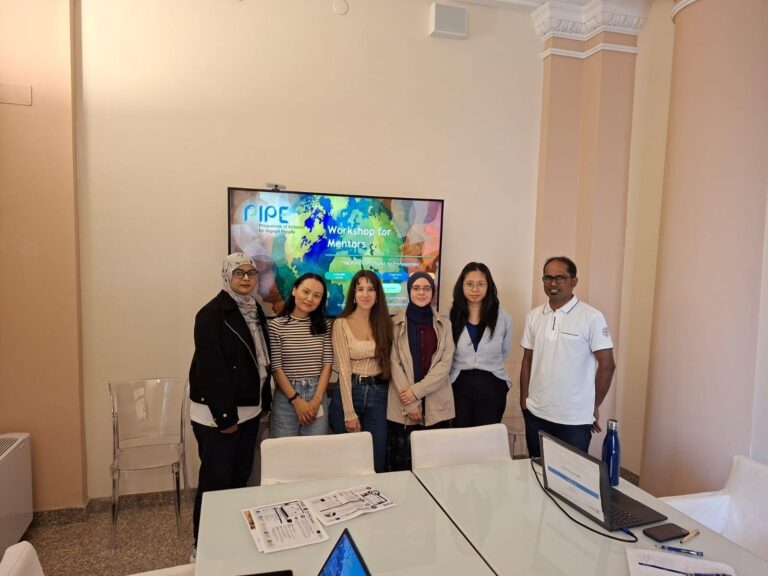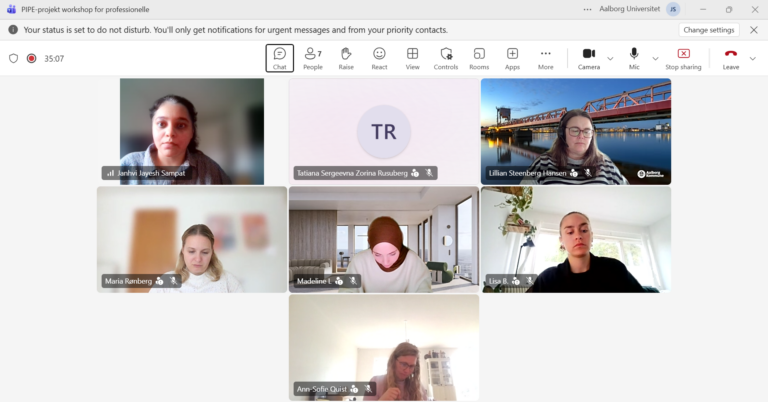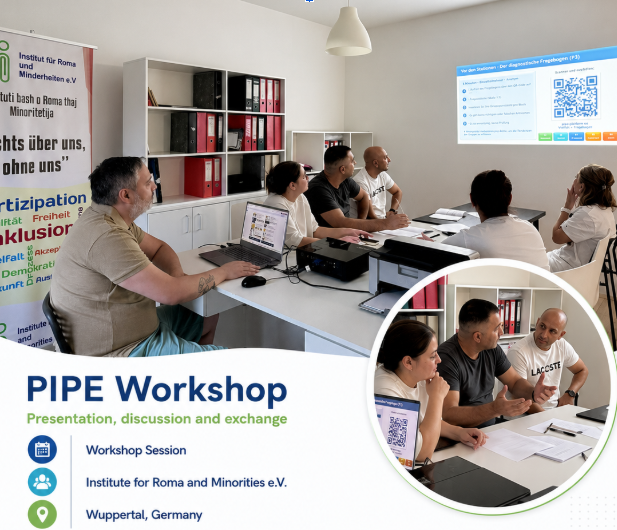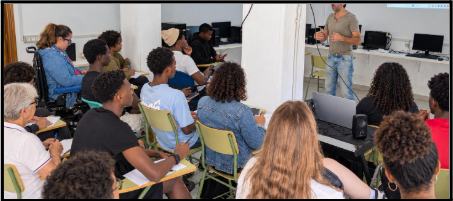

Between September and October 2026, the Erasmus+ PIPE project organised four Colloquial Talks in Tenerife, Spain, bringing together professionals, educators and organisations working with migrants and people at risk of social exclusion. With the active involvement of EVM Group and the University of La Laguna (ULL), these activities provided an opportunity to present the project’s educational resources, exchange experiences and gather valuable feedback on their practical application.
The sessions, organised as part of Work Package 3 (WP3), focused on developing soft skills, intercultural competences and mentoring opportunities to support the social inclusion of migrants, refugees and asylum seekers.
Connecting PIPE with Local Organisations
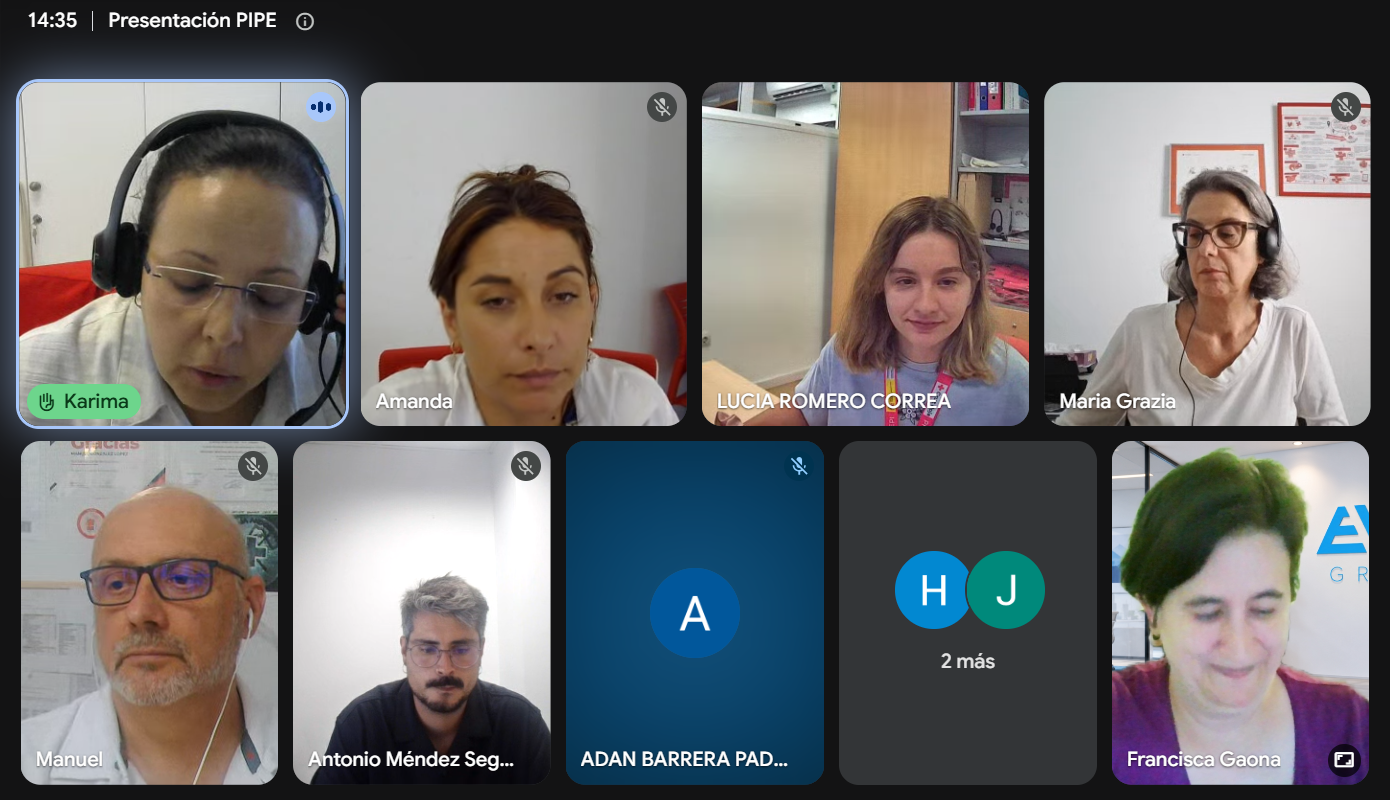
The first Colloquial Talk took place on 28 September 2026, when EVM Group introduced the PIPE project to nine professionals from the Spanish Red Cross (Cruz Roja) in Tenerife.
The online session presented three complementary digital resources: the PIPE resource platform, the Moodle learning course and the PIPE Migrant Guide mobile application. Participants explored how these tools could support their daily work with migrant communities, particularly in areas such as employment, housing, healthcare and access to essential services.
The session received positive feedback, highlighting the potential of the resources for professionals involved in migrant reception and integration.
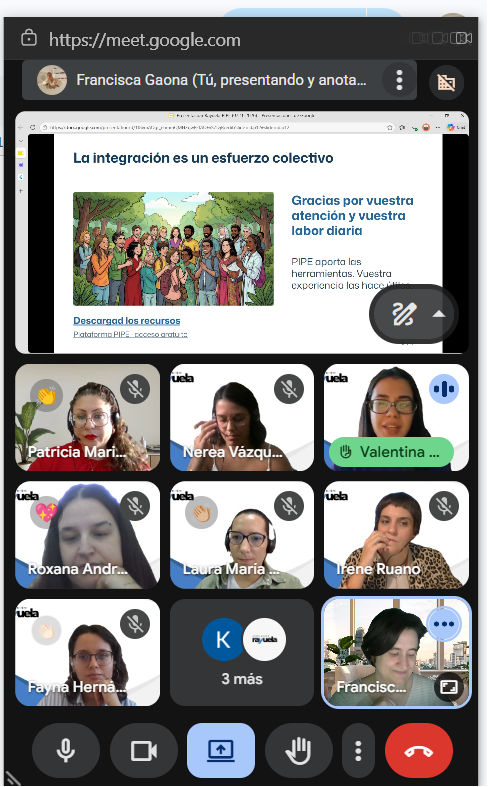
On 8 October 2026, EVM Group organised a second online session with Asociación Rayuela, attended by nine representatives of the organisation.
The discussion focused on the practical use of PIPE’s tools, their multilingual accessibility and the importance of adapting information to local administrative procedures. Participants were encouraged to explore the resources and consider how they could complement their existing support services.
From Learning Modules to Community Practice
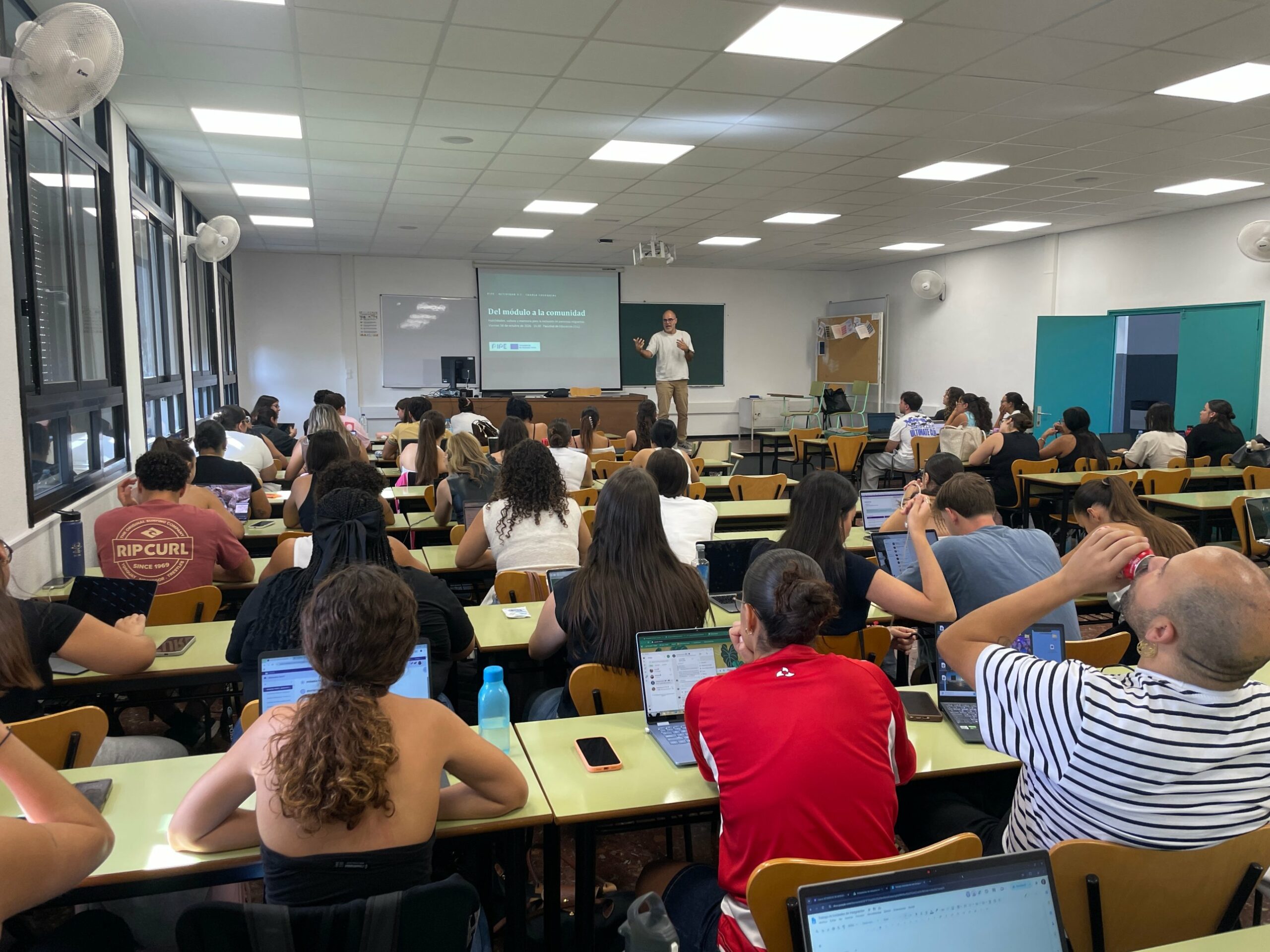
On 16 October 2026, the University of La Laguna organised a face-to-face Colloquial Talk at its Faculty of Education, facilitated by the PEDACRI research group.
The event brought together 29 participants, including representatives of Proyecto Hombre, Asociación Solidaria Mundo Nuevo, Fundación IDEO, Aldeas Infantiles and Innoceana.
Under the theme “From Modules to Community Practice”, the session explored PIPE’s eight Moodle learning modules, the results of the pilot testing activities carried out across five European countries, and the potential of mentoring as a tool for social inclusion.
The evaluation results were particularly encouraging:
- 4.62/5 average overall satisfaction.
- 93% of respondents would recommend the PIPE course.
- 29 evaluation responses were collected.
Participants valued the availability of free educational resources and the opportunity to develop a broader understanding of migration. Their feedback also identified opportunities for improvement, including easier access to online learning without extensive personal identification and additional introductory guidance for new learners.
Strengthening Dialogue with Community Organisations
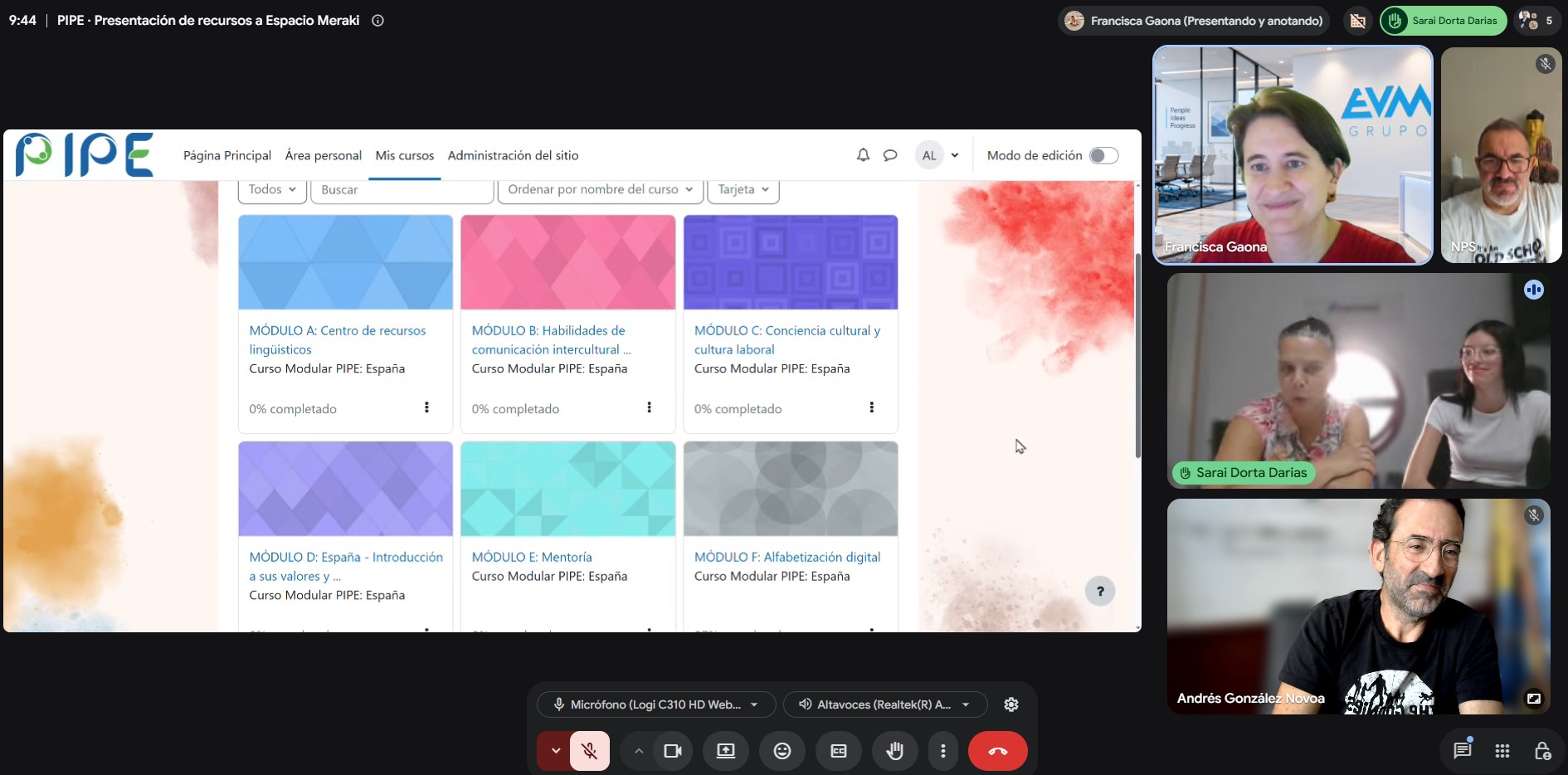
The fourth Colloquial Talk took place online on 27 October 2026, bringing together the University of La Laguna (ULL), EVM Group and Espacio Meraki.
The session continued the dialogue initiated through the previous activities, focusing on how PIPE’s educational resources could reach migrant communities and be incorporated into the everyday work of organisations supporting social inclusion.
Representatives from EVM Group and ULL participated in the exchange, contributing to discussions on the project’s educational approach, the accessibility of its digital resources and their potential application within community organisations.
Particular attention was given to the transition from learner to mentor, encouraging participants to reflect on how people who have developed their own skills and experience could eventually support newcomers.
The discussion also addressed the practical application of educational resources and the importance of community involvement in maintaining inclusive learning opportunities.
Feedback highlighted the usefulness of accessible educational materials and the value of continued exchanges with community organisations.
Valuable Feedback for the Future of PIPE
Together, these four Colloquial Talks strengthened the connection between the PIPE project and organisations working directly with communities in Tenerife.
Through their participation in these activities, EVM Group and the University of La Laguna contributed to disseminating the WP3 results, engaging local stakeholders and gathering feedback on the project’s educational resources.
Beyond presenting the project’s achievements, the activities created opportunities to identify practical needs, discuss barriers to accessing digital education and explore ways to integrate PIPE resources into existing support services.
The contributions gathered will help inform the project’s final evaluation and sustainability discussions, particularly regarding accessibility, local relevance and the continued use of its educational resources.
Through these exchanges, PIPE reinforces its central message: social inclusion requires more than access to information. It requires practical skills, intercultural understanding, mentoring and cooperation between communities and the organisations supporting them.
Explore the PIPE Resources
Discover the project’s free educational tools:
- Project website: https://pipe-project.eu
- PIPE Resource Platform: https://pipe-platform.eu
- PIPE Learning (Moodle): https://learning.pipe-project.eu
The PIPE project (2023-1-ES01-KA220-ADU-000160578) is co-funded by the European Union through Erasmus+ and brings together six partner organisations from Spain, Germany, Denmark, Greece and Italy.
Funded by the European Union. Views and opinions expressed are, however, those of the author(s) only and do not necessarily reflect those of the European Union or SEPIE. Neither the European Union nor SEPIE can be held responsible for them.