
In October 2026, MAG-UNINETTUNO organised a series of activities in Italy as part of Work Package 3 (WP3) of the Erasmus+ PIPE project, Soft Skills, Cultural Awareness and Mentorship Programmes. Through a face-to-face workshop and two online Colloquial Talks, the activities explored the role of mentoring in migrant inclusion, the importance of intercultural competences and the practical resources developed within the project.
The activities brought together people with migrant backgrounds, prospective mentors and members of community networks, creating opportunities to exchange experiences, discuss real challenges and explore how mentoring can support newcomers in becoming more independent.
A Workshop for Future Mentors at UNINETTUNO
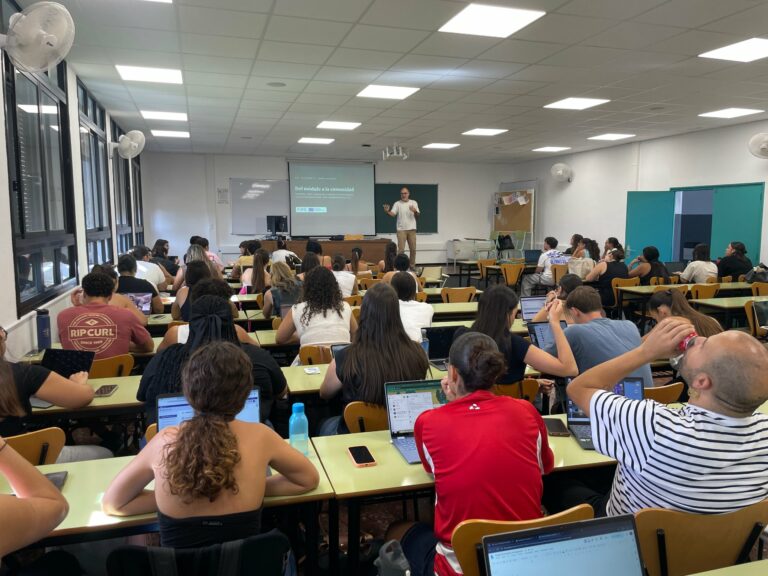
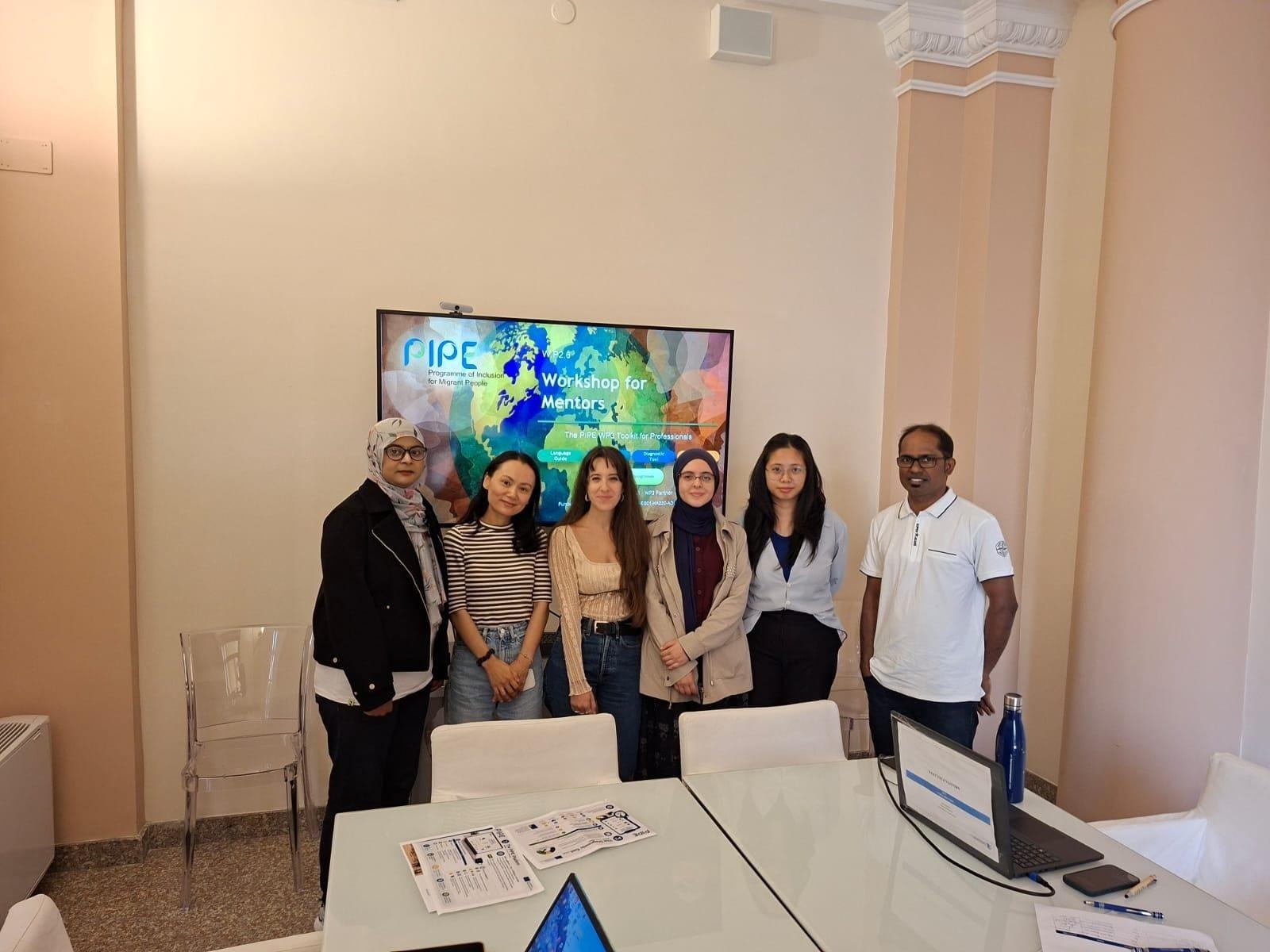
On 8 October 2026, MAG-UNINETTUNO organised a face-to-face workshop at UNINETTUNO University in Rome, involving five participants with migrant backgrounds from the Philippines, Türkiye, Pakistan, Sri Lanka and China.
The two-hour session introduced the PIPE mentoring training module and focused on the essential skills needed to support people who are newly arrived in a country. Particular attention was given to active listening, empathy, intercultural communication, ethical boundaries and the importance of encouraging autonomy rather than creating dependency.
Participants were invited to reflect on their own experiences and consider how these could become valuable resources when supporting others. The workshop also included discussions and practical examples to help participants understand the responsibilities and limits of a mentor’s role.
The evaluation results were particularly encouraging. The average self-assessment across five mentoring competency areas increased from 2.44 to 4.36 out of 5 between the pre- and post-workshop questionnaires. The most significant improvement concerned participants’ understanding of ethical boundaries, which increased from 1.80 to 4.60.
Overall satisfaction reached 5 out of 5, while participants particularly appreciated the focus on active listening, communication and the distinction between supporting someone and solving problems on their behalf.
The feedback also highlighted the value of further practical exercises, realistic mentoring scenarios and continued guidance for future mentors.
From Mentoring Principles to Real Experiences: Two Colloquial Talks with VOC
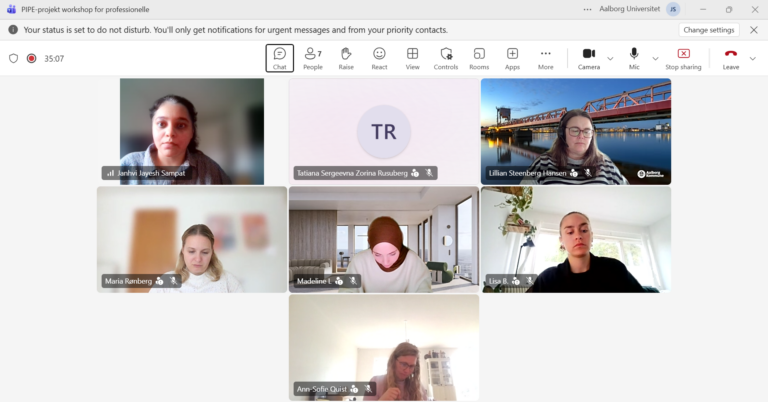
Building on the workshop, MAG-UNINETTUNO collaborated with VOC, the community volunteer network supported by INTERSOS, to organise an online exchange on 21 October 2026.
The meeting provided an opportunity to introduce PIPE resources to people involved in community support and migrant inclusion, including individuals with direct migration experiences and experience supporting others.
The WP3 activities were structured around two complementary Colloquial Talks, each addressing a different aspect of mentoring.
Colloquial Talk 1 – The Role of a Mentor and Intercultural Skills
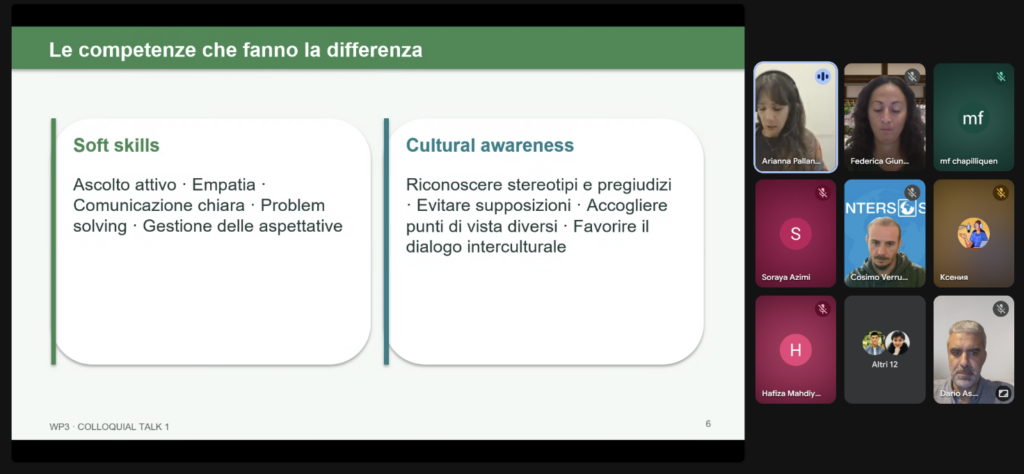
The first Colloquial Talk involved 16 participants and focused on the meaning of mentoring, the responsibilities of a mentor and the interpersonal skills required to establish supportive relationships.
The discussion explored active listening, empathy, clear communication, respect for cultural differences and the importance of recognising the limits of one’s role.
Participants were invited to reflect on the difficulties that people may face when arriving in Italy and on the forms of support that can make a meaningful difference.
Their contributions highlighted several immediate challenges, particularly language barriers, complex administrative procedures, access to accommodation and difficulties identifying reliable information and services.
Participants also emphasised the importance of having a trusted point of reference: someone who can listen, explain available opportunities and help newcomers navigate unfamiliar systems without making decisions on their behalf.
These exchanges reinforced a central message of the PIPE mentoring approach: effective mentoring is not about providing all the answers, but about helping people identify their own needs, recognise available resources and develop greater autonomy.
Colloquial Talk 2 – Mentoring Tools and Practical Situations
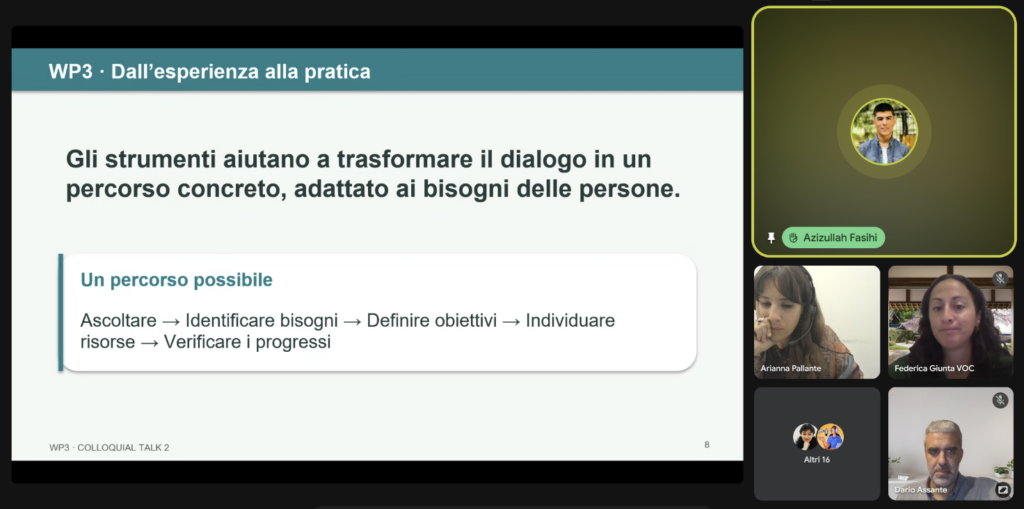
The second Colloquial Talk involved 17 participants and shifted the focus from mentoring principles to their practical application.
The session explored how a supportive conversation can become a structured pathway, starting from listening and identifying needs, then moving towards realistic objectives, available resources and concrete actions.
Participants were introduced to resources presented within PIPE, including the Diagnostic Tool, the Action Plan, language-learning resources and mentoring training materials.
A practical scenario encouraged participants to consider how they would support a newcomer looking for employment while facing language barriers and difficulties accessing training opportunities.
Rather than immediately suggesting a solution, the discussion focused on identifying the person’s priorities, understanding previous experiences and recognising which services or opportunities could provide appropriate support.
The exchange highlighted the importance of combining empathy with practical guidance and adapting mentoring approaches to each person’s circumstances.
It also reinforced the value of community experience: people who have already navigated migration-related challenges can offer perspectives that help make support more relevant, accessible and responsive to real needs.
Building Confidence, Connections and Opportunities for Inclusion
Together, the workshop and the two Colloquial Talks highlighted the importance of combining structured training with opportunities for dialogue and peer learning.
The workshop at UNINETTUNO provided participants with an introduction to mentoring skills and showed positive changes in their self-assessed knowledge and confidence. The discussions with the VOC network complemented this experience by bringing forward real-life perspectives on the challenges newcomers encounter and the support they may need.
The activities also created opportunities to share PIPE resources with community representatives who can help disseminate them through their own networks.
By bringing together training, intercultural awareness and practical discussion, PIPE continues to promote mentoring as a people-centred approach to inclusion, encouraging relationships based on trust, mutual respect and the development of individual autonomy.