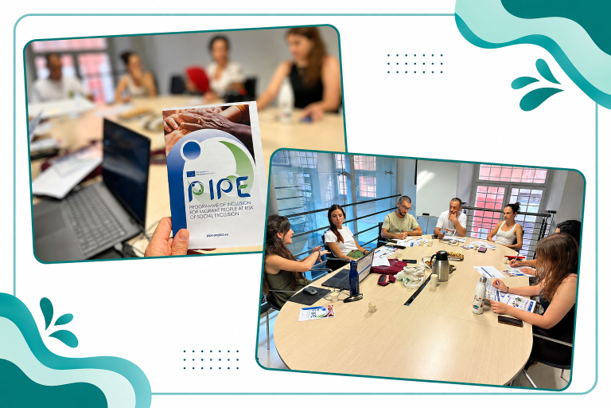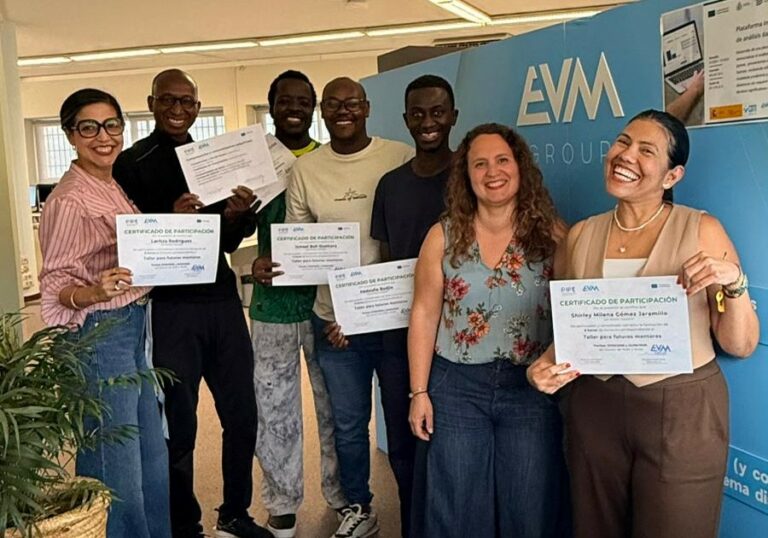

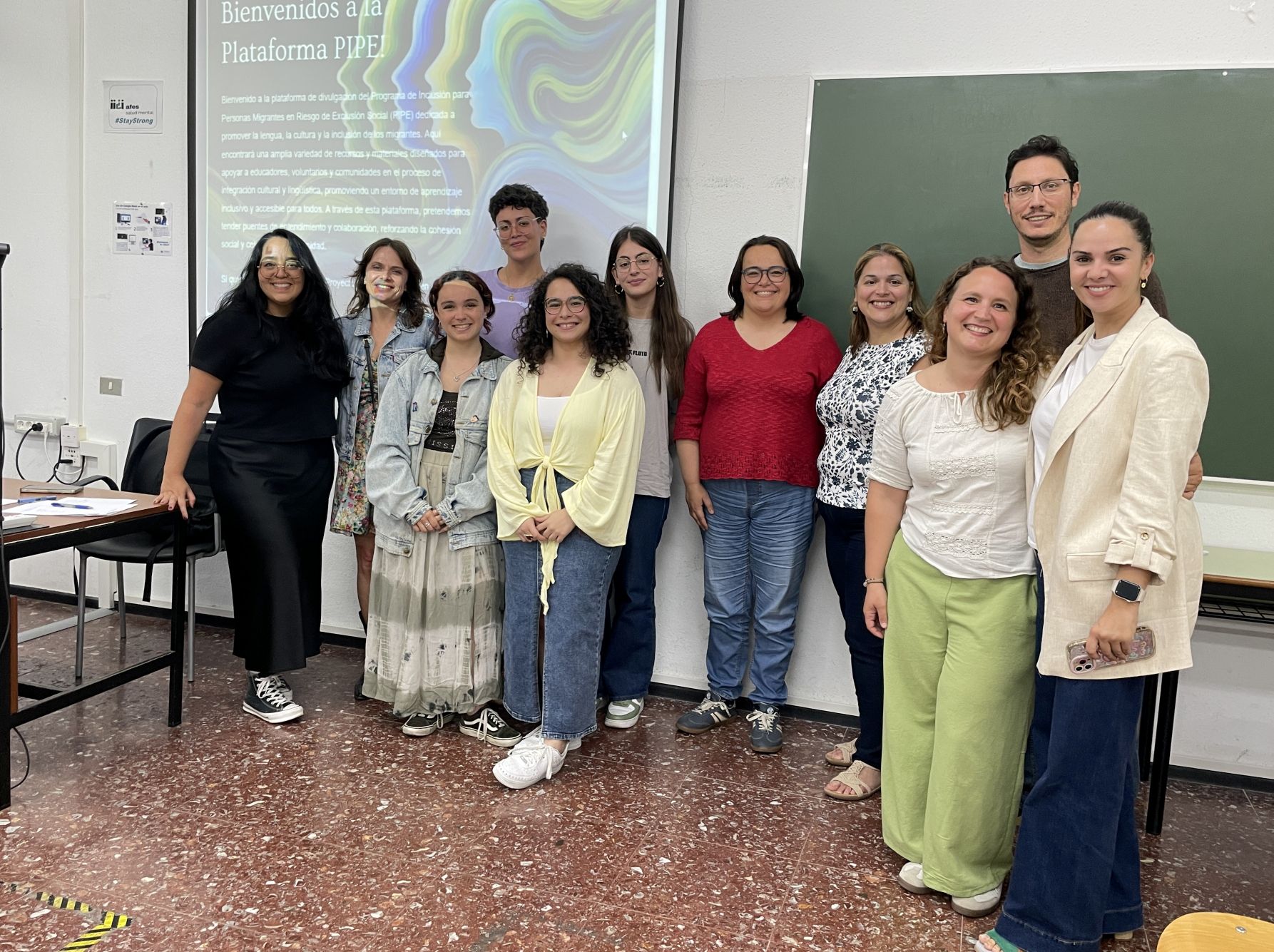
On May 28, 2026, the Faculty of Education at the Universidad de La Laguna hosted the PIPE project’s WP2 Workshop—a practical and reflective gathering designed for professionals working with migrants in the Canary Islands. The session, part of Deliverable 2.7 of the project, brought together social educators, social workers, intercultural mediators, teachers, and coordinators from various organizations within the social inclusion sector.
Part One: An In-Depth Look at the WP2 Toolkit
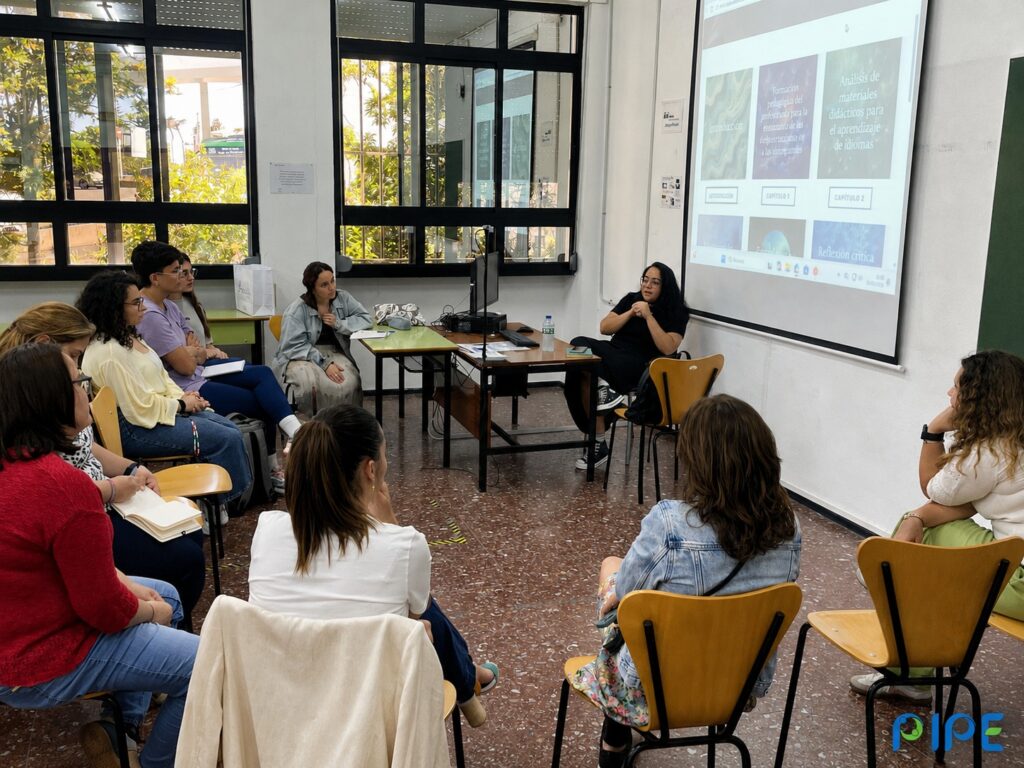
The session opened with the PEDACRI-ULL research group, who led a detailed presentation of the four products included in Work Package 2.
First, they addressed the theoretical and innovative foundations of the Guide for National Language Teaching (D2.3), rooted in the pedagogy of hospitality. This approach views language teaching not as an act of generosity but as a moral duty, placing the ethics of mestizaje (cultural blending) and the dialogue of knowledges as guiding principles for teaching practice. This theoretical framework is further developed in the article “Pedagogy of Hospitality: Critical Reflection on Teaching Language to Migrants,” recently published in the journal Education Sciences (MDPI, 2025) and available via open access.
Next, the foundations and mechanics of the Cultural Action Plan (D2.4) were presented, with a particular focus on the level-by-level implementation pathway and the suggested 3–6–12 month timeline.
The Cultural Competence Diagnostic Questionnaire (D2.5) was also introduced, explaining its five-block structure and operational logic. Participants were invited to test it afterward within their own professional environments and to share it with their teams as a tool for collective reflection on where each organization stands along the cultural competence continuum.
The first half closed with a demonstration of the PIPE Platform, showing how to access and navigate the freely available resources across three thematic pillars: Language, Culture, and Diversity.
Part Two: Intercultural Competence Through One’s Own Name
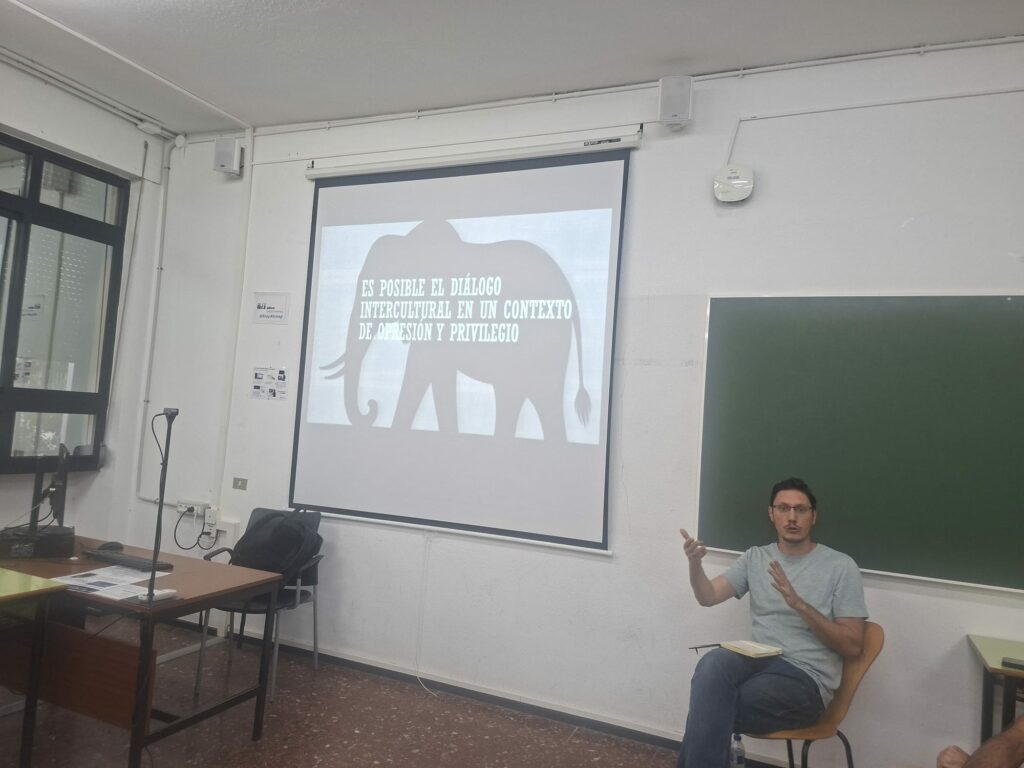
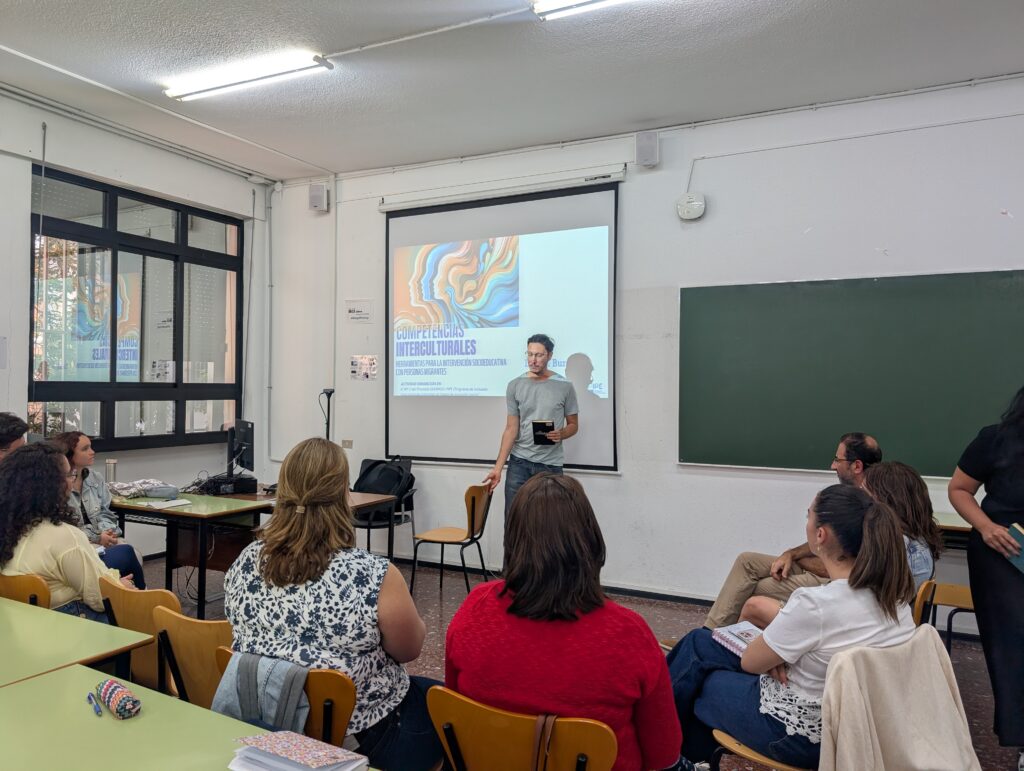
The second half of the encounter was led by Dr. Daniel Buraschi, Assistant Professor at ULL, who specializes in migration, interculturality, and social inclusion. Through a series of dynamics centered around each participant’s name, Dr. Buraschi explored the understanding of intercultural competencies from an experiential and concrete perspective, framing it as a genuine exploration of what the encounter with “the other” triggers within each professional.
A Space for Mutual Learning
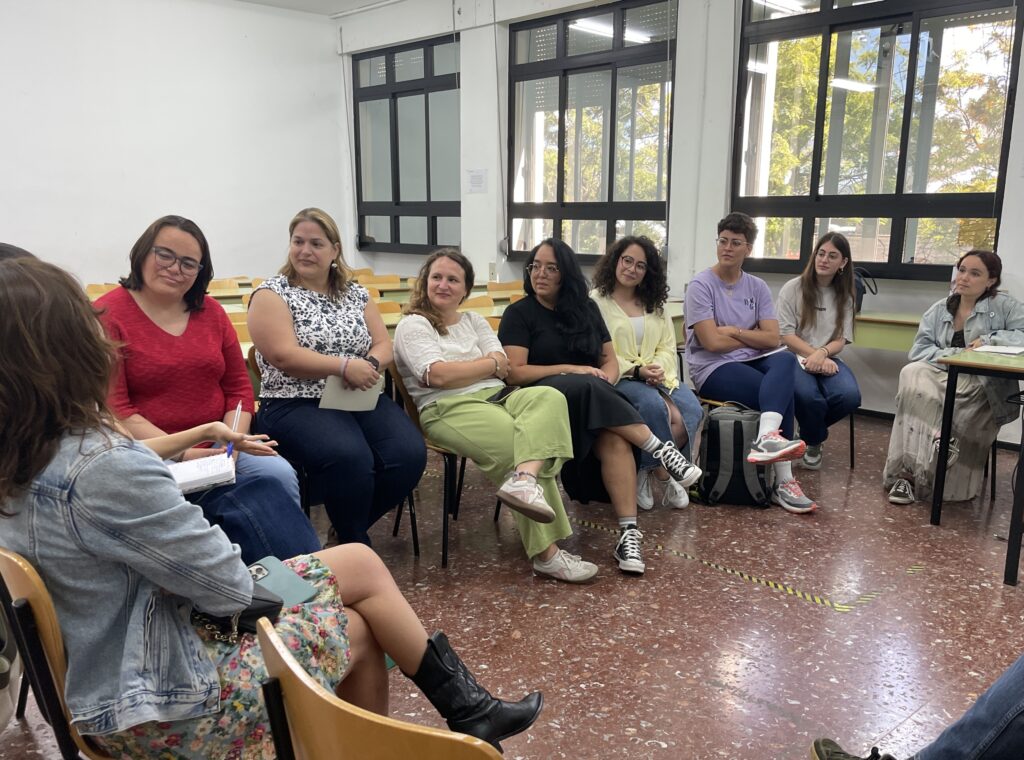
Throughout the session, participants shared valuable insights regarding the challenges of working with migrant populations, such as institutional barriers, precarious team conditions, and the difficulty of sustaining ongoing training processes. This feedback is a vital component of the project and will be incorporated into the final version of the toolkit.
All WP2 materials are available free of charge at pipe-platform.eu.