
Through a national workshop and two Colloquial Talks, Aalborg University (AAU) engaged professionals and volunteers in Denmark in practical reflection on intercultural competences, migrant inclusion and sustainability.
A practical workshop for professionals
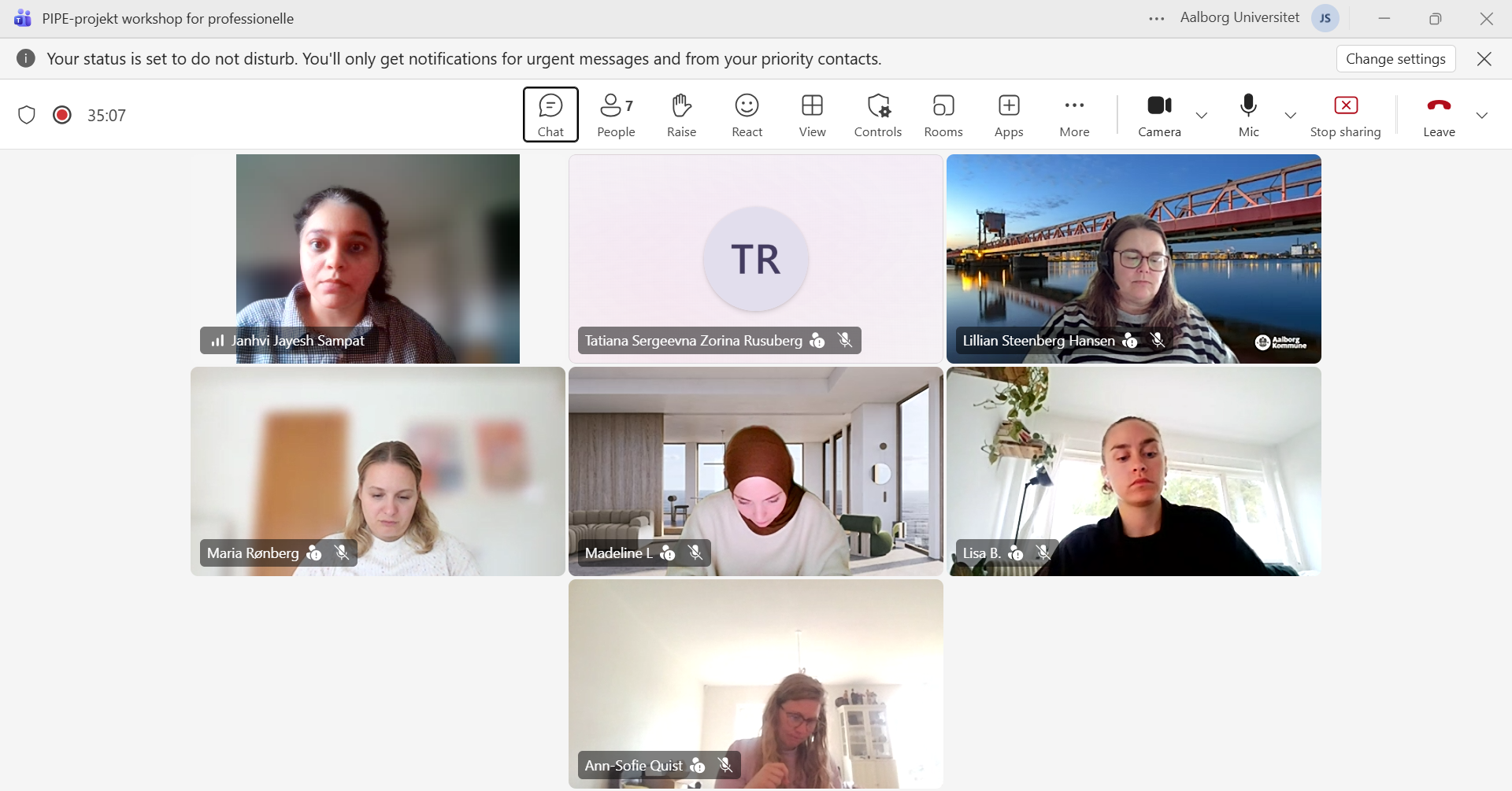
On 17 September 2026, Aalborg University organised its national WP2 workshop, “Sprog, kultur og mangfoldighed i praksis” (Language, Culture and Diversity in Practice), online via Microsoft Teams. The approximately two-hour event brought together six professionals and volunteers: four affiliated with the Danish Refugee Council, one integration and immigration consultant from Jobcenter Aalborg, and one independent volunteer involved in anti-discrimination work.
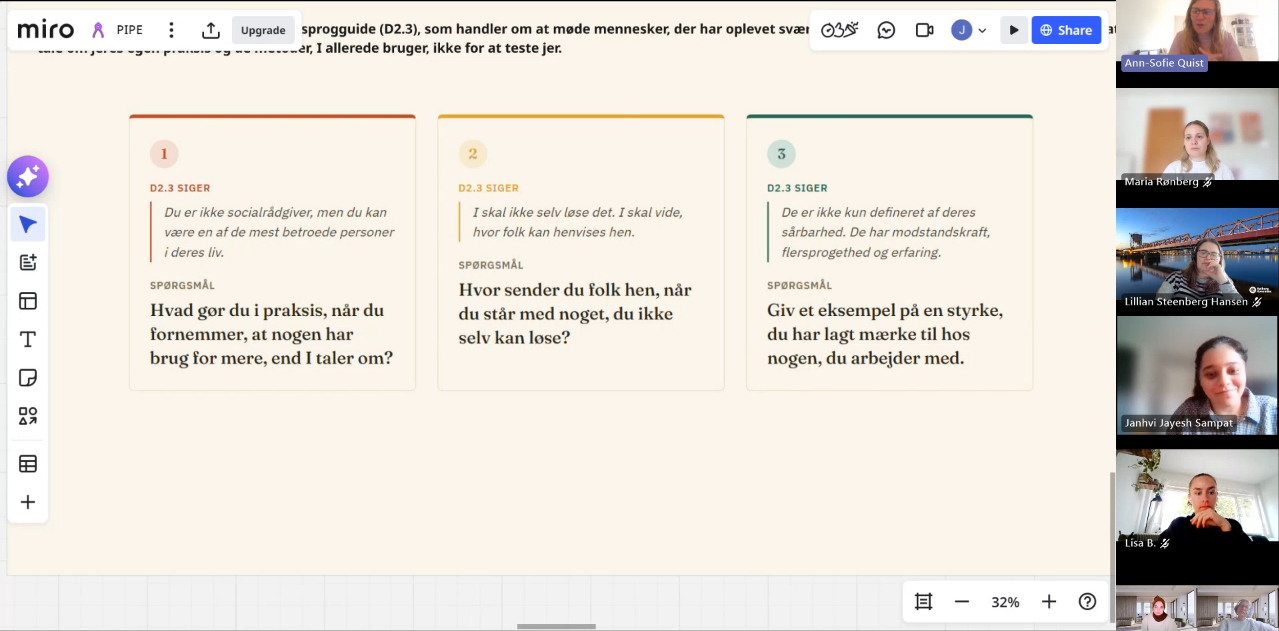
Rather than relying on formal presentations, the workshop used a listening-led discussion to explore three resources developed within the PIPE WP2 Toolbox: the National Language Teaching Guide and Resources (D2.3), the Guide and Action Plan for Cultural Training (D2.4), and the Strategic Reception Plan / Diagnostic Tool (D2.5). Each resource was introduced through accessible questions and exercises linked to participants’ everyday work.
From professional boundaries to intercultural reflection
Since none of the participants taught languages, the Language Guide discussion focused on recognising vulnerability, knowing when to refer people to specialist services, and identifying migrants’ strengths rather than focusing only on difficulties. Participants shared practices such as checking understanding before offering support, using referral guides, and encouraging self-reliance. They also described complex situations that fall between administrative systems and can be difficult to resolve.
The Cultural Training Guide was presented as a simplified six-stage “competence staircase”, inviting participants to reflect on staff training, the limits of one-size-fits-all approaches and differences in intercultural confidence. Examples included diversity and inclusion onboarding at the Danish Refugee Council, shadowing experienced colleagues at Jobcenter Aalborg, and adapting volunteer activities to the needs of different groups.
Participants then completed the Diagnostic Tool anonymously as a short self-assessment. Presented as a mirror rather than a test, it encouraged reflection on intercultural knowledge and unconscious bias, including the importance of continually questioning assumptions in professional practice.
Positive feedback and areas for improvement
Five participants completed the post-workshop evaluation. Overall satisfaction reached 4.60 out of 5, while organisation and facilitation averaged 4.53/5. Among the three resources, the Diagnostic Tool received the highest average rating (3.83/5), followed by the Cultural Training Guide and Action Plan (3.77/5) and the Language Guide (3.58/5). The workshop’s supportive atmosphere and clear facilitation were particularly appreciated.
Feedback also highlighted opportunities for improvement. One respondent reported that unclear Danish translations affected their ability to evaluate the resources, reinforcing the need for professional proofreading of participant-facing materials. Participants suggested a shorter version of the Language Guide for time-constrained volunteers, more time to explore each resource and, where possible, in-person or hybrid activities to support networking. The score for making useful professional contacts was 2.40/5, the lowest-rated item.
First Colloquial Talk: connecting with local organisations in Aalborg
On 12 September 2026, Aalborg University held its first WP2 Colloquial Talk during the Internationals’ Fair at Aalborg Main Library, organised by International House Nordjylland. Rather than scheduling a single formal session, the team engaged seven professionals through short, informal conversations at the PIPE stand and neighbouring stands. The exchanges reached representatives of organisations working with international residents, including community networks and educational institutions.
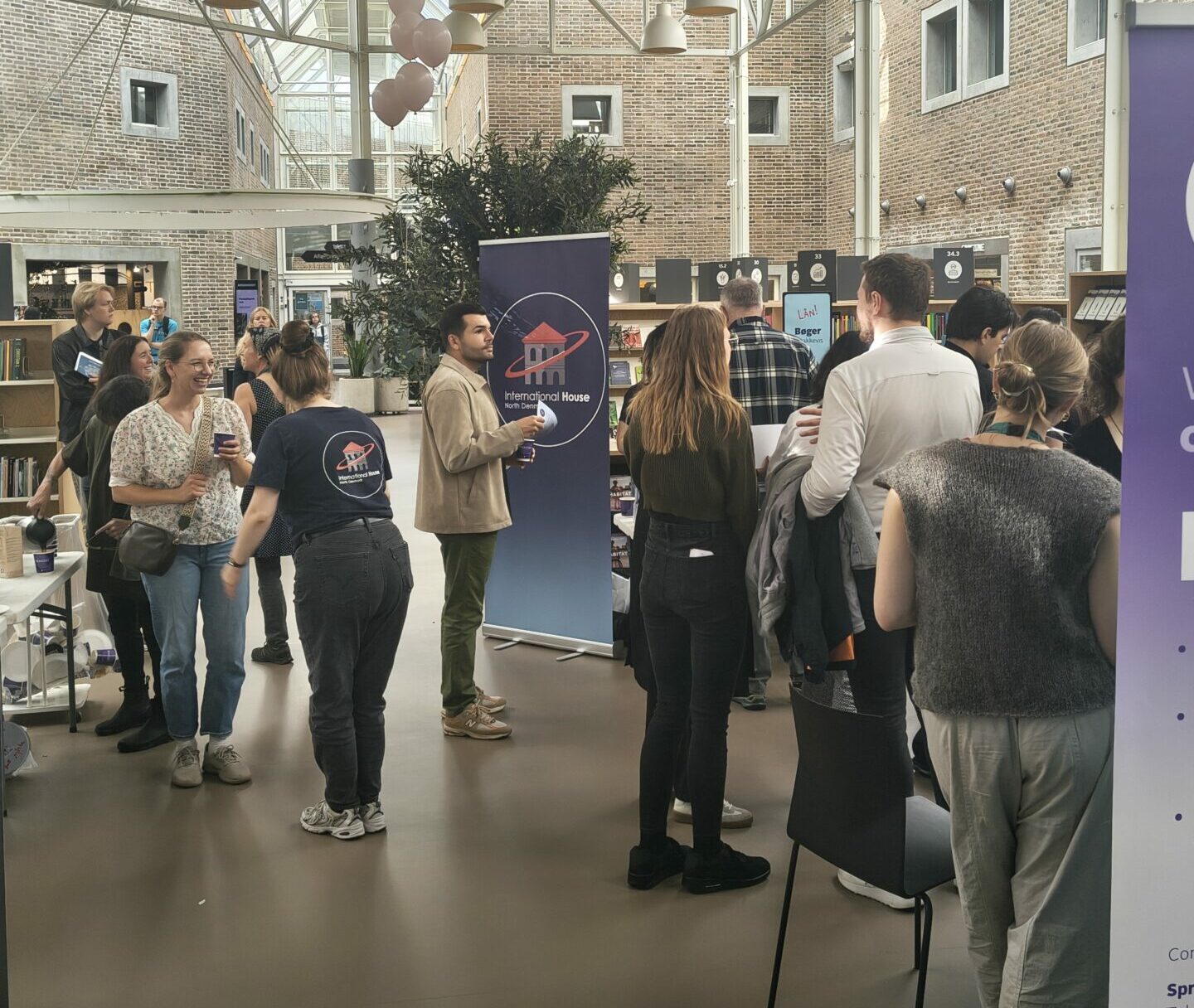
The team introduced the Language Guide, Cultural Training Guide and Action Plan, and Diagnostic Tool, demonstrating the Danish-language PIPE platform on a laptop and distributing printed information. One of the seven professionals expressed direct interest in the forthcoming workshop. Although the brief conversations did not allow for in-depth thematic discussion, they helped extend awareness of the free WP2 resources to organisations that might not attend a dedicated project event.
Second Colloquial Talk: sustainability in everyday inclusion work
The second Colloquial Talk took place on 17 September 2026 as the closing reflection and sustainability discussion of the national workshop. Over approximately 25 minutes, the same six professionals and volunteers reflected on shared values across municipal and civil-society work, the importance of empathy, and the encouragement gained from meeting others committed to supporting migrants and refugees.
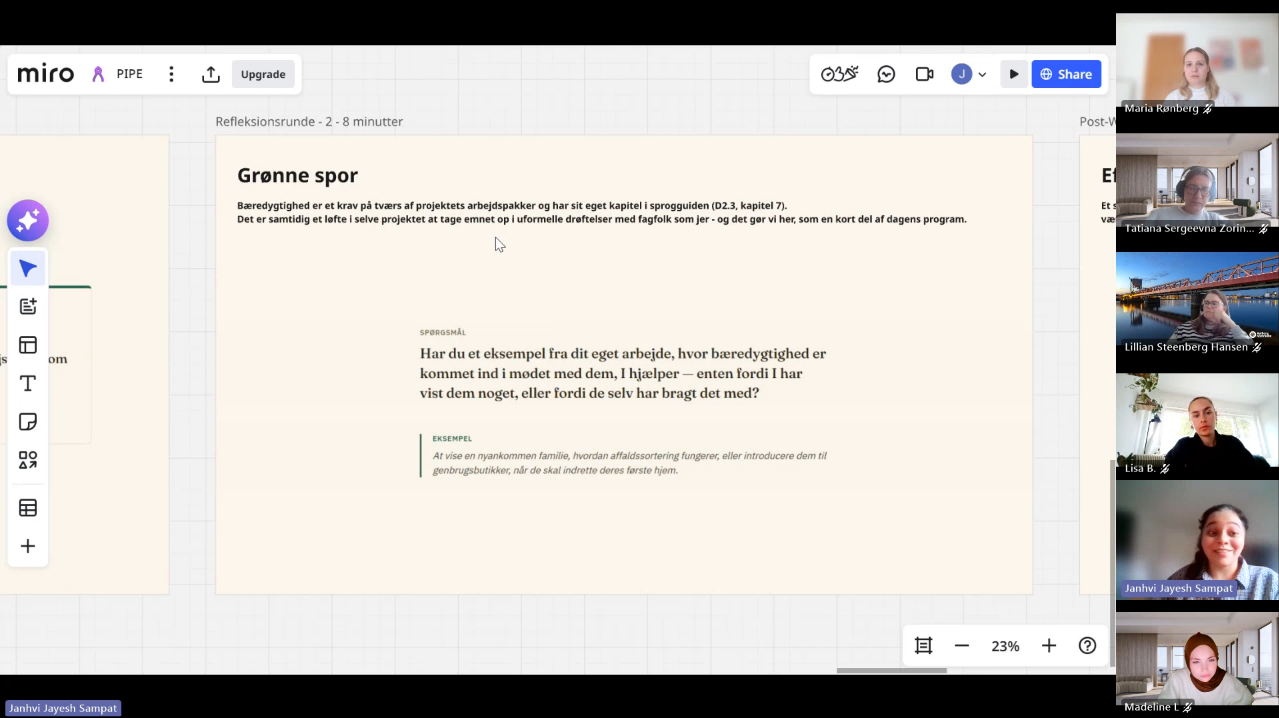
The sustainability discussion revealed practical initiatives already embedded in local inclusion work. Participants described multicultural cooking clubs that reduce food waste through advance registration, surplus-food redistribution and partnerships with supermarkets. They also shared examples of guidance on affordable cooking and second-hand shopping, bicycle repair and resale workshops, and cycling courses through which participants can receive a bicycle and helmet. Such activities can reduce costs while supporting independence and access to work, internships and language education.
A key insight was that many organisations already contribute to sustainability through everyday support activities, even when they do not explicitly describe or document them as sustainability measures. The discussion made these connections more visible and encouraged participants to recognise the environmental and social value of their work.
Turning professional exchange into lasting inclusion
Together, the workshop and two Colloquial Talks offered complementary ways to engage professionals in Denmark: structured testing of the WP2 Toolbox, direct outreach at a community fair, and reflection on sustainability in everyday practice. The activities showed the value of accessible resources, intercultural self-reflection and cooperation across public services, civil society and volunteers. The feedback collected will help inform how PIPE resources can be improved, shared and used beyond the project activities.