
Recent dissemination initiatives at the University of La Laguna have provided an important opportunity to share experiences, reflect on key challenges, and engage a wide range of stakeholders around themes of inclusion, education, and intercultural dialogue.
Through a combination of institutional communication, public events, and media outreach, these initiatives have contributed to strengthening the visibility of the project while creating meaningful spaces for discussion and exchange.
Academic Engagement and Public Presentation
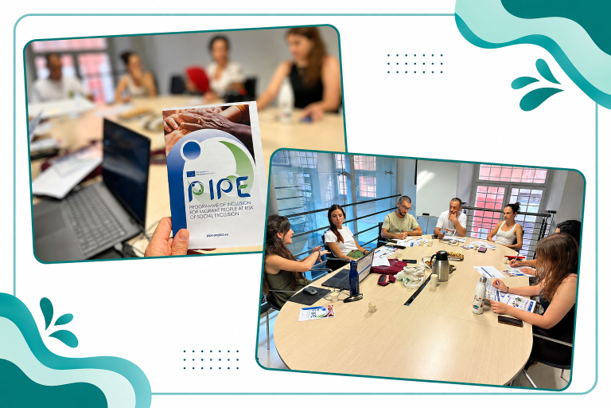
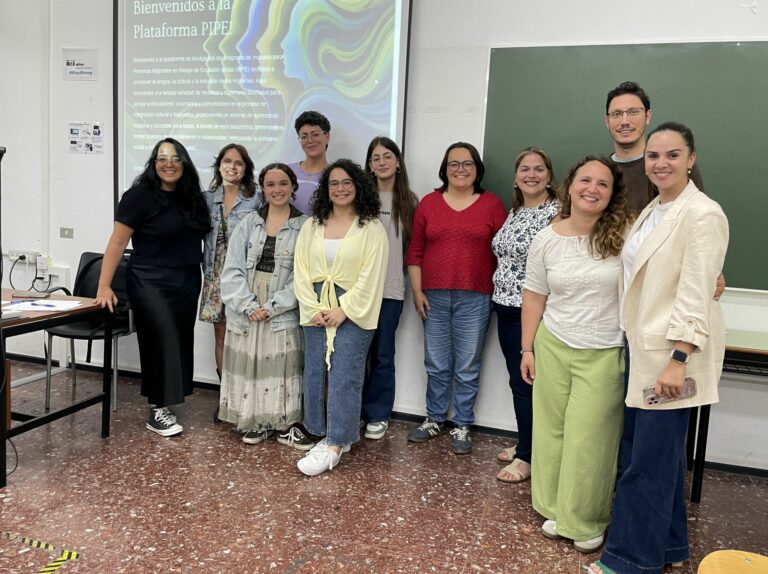
The University of La Laguna hosted a public presentation that brought together academics, professionals, organisations, and members of the community. The event highlighted the collaborative dimension of the initiative, involving partners from different European countries as well as local stakeholders working directly with migrant communities.
Speakers from academia and the third sector shared perspectives grounded in both research and practice, emphasising the importance of cooperation and knowledge exchange. The discussion focused on how educational approaches can support inclusion processes and how professionals can be equipped with tools and methodologies to work effectively in multicultural contexts.
The event is presented in the following video:
The video presents the project as a European initiative focused on fostering social inclusion through innovative pedagogical approaches based on hospitality, equity, and respect for human rights. It highlights key outputs such as a pedagogical guide for language teaching, a cultural competence training plan, and a multilingual digital platform of open educational resources.
ULL Experience and International Cooperation
Further insights into the role of the University of La Laguna in the project can be found in this video:
In this contribution, Andrés González, professor at ULL, shares his experience within the project, highlighting how international cooperation in education contributing to a more inclusive European Union. The video also showcases the broader impact of internationalisation within the university community.
Showcasing Educational Tools and Practices
During the event, participants had the opportunity to explore the tools and resources developed within the project. These include educational materials, digital platforms, and practical guidelines designed to support professionals working in the field of inclusion.
The presentation of these outputs highlighted a key aspect: education is not limited to the transmission of knowledge, but involves participation, interaction, and mutual recognition. Language learning, in particular, was presented as a central element, not only as a communication tool but also as a means of understanding cultural contexts and building relationships.
Media Outreach and the Voice of Pedro Perera
The dissemination activities were further reinforced through Spanish media coverage, including a radio-style interview featuring Pedro Perera, researcher at the University of La Laguna.
In the interview, Perera reflected on the role of language as a key factor in achieving effective integration. He emphasised that learning a language means engaging with a culture, its values, and its ways of understanding the world.
The interview also addressed broader issues such as ethnocentrism and the tendency to interpret reality from a single cultural perspective. Through concrete examples, Perera highlighted how migrants often bring different ways of living and interacting that can enrich host societies.
Another important point raised concerns the impact of simplified narratives and hate speech. Perera stressed the importance of promoting more nuanced and respectful representations of migrant communities, encouraging a shift away from stereotypes.
Building Dialogue and Shared Understanding
Across these activities, a common thread emerges: the importance of dialogue. Whether in academic settings, public events, or media communication, these initiatives have created spaces where different voices can meet, exchange experiences, and reflect together.
The participation of professionals, researchers, and community actors has demonstrated the value of collaborative approaches in addressing complex social challenges. By combining theory and practice, these dissemination activities contribute to building a shared understanding of inclusion as a dynamic and collective process.
Looking Ahead
The activities carried out at the University of La Laguna and through Spanish outreach channels represent an important step in expanding the reach of the project. By engaging diverse audiences and promoting open discussion, they contribute to strengthening awareness and encouraging active participation.
These experiences also highlight the importance of continuing to invest in communication and dissemination as essential components of initiatives aimed at generating social impact.